
10 Warning Signs of Eating Disorder Relapse and How to Protect Your Recovery
Recovery from an eating disorder is deeply personal—and it is rarely a straight path. It unfolds over time, with moments of steadiness and moments where things feel harder again. Noticing warning signs of relapse does not mean you have failed or lost progress. More often, these signs are your body and nervous system communicating that something needs care, gentleness, or additional support.
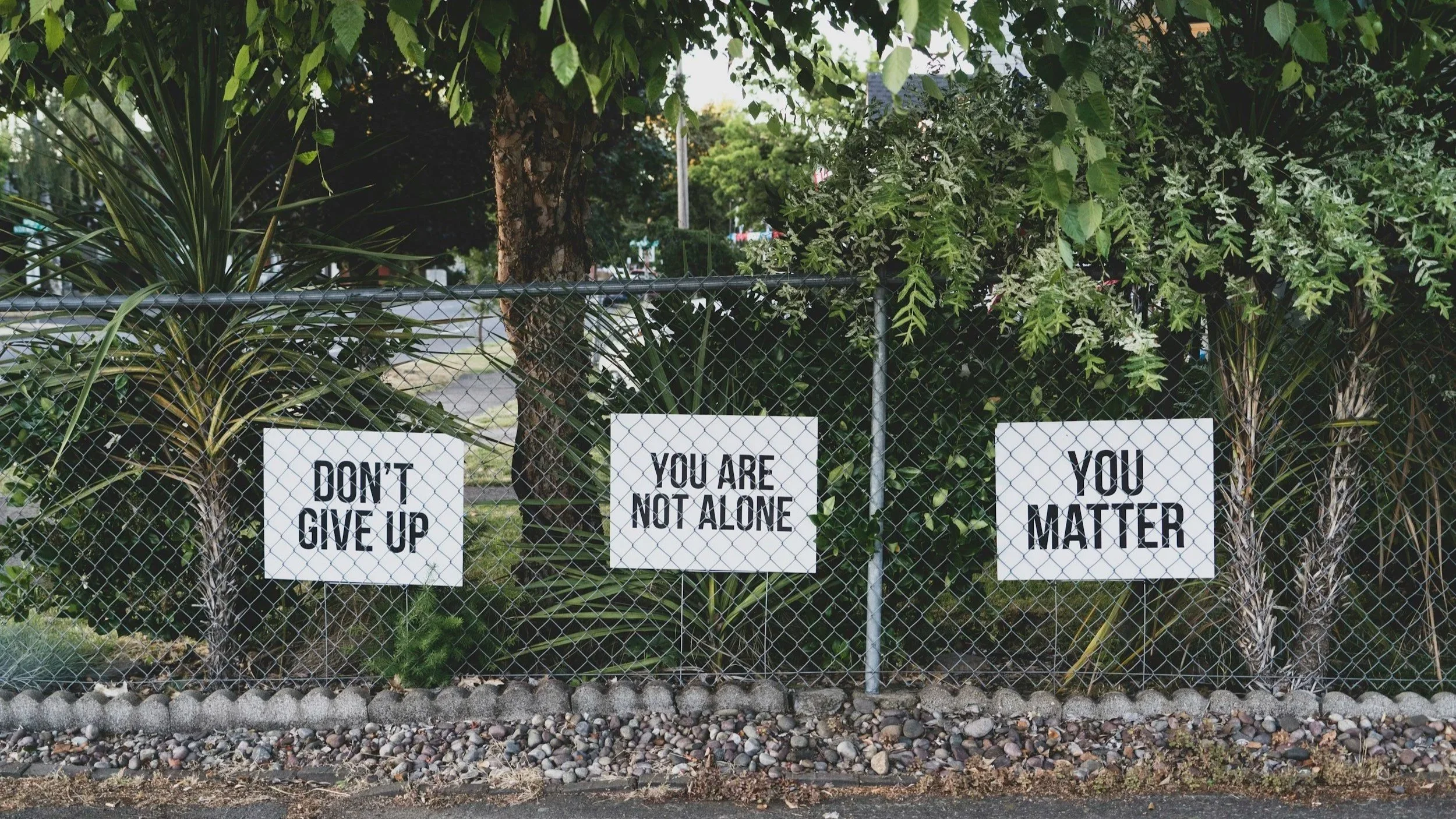
If you’re reading this and feel a twinge of recognition, I want you to know this first: you are not alone, and you are not doing recovery “wrong.” Awareness itself is a strength. Below are ten common warning signs of eating disorder relapse—so they can be met with compassion rather than self-judgment.
1. Letting Your Weight Determine How Your Day Will Be
When your mood, confidence, or plans begin to shift based on the number on the scale, it can feel exhausting. It’s as if your day is decided before it even begins. This is often a sign that old patterns are quietly returning. Recovery gently reminds us that your worth, energy, and meaning are not defined by a number. Ditch the scale…you don’t need it!
2. Skipping Meals or Engaging in Purging Behaviors
If you notice yourself skipping meals or returning to purging behaviors, this is an important signal—not a personal failure. These behaviors often resurface when life feels overwhelming or emotions feel unmanageable. Rather than responding with shame, this can be a moment to pause and ask: What support do I need right now?
3. Feeling Out of Control Without Dieting
For some, dieting can begin to feel like the only way to stay grounded. When the absence of food rules brings anxiety or fear, it may be a sign that trust with your body feels shaky again. Recovery invites a slower, kinder process—one where safety is rebuilt from the inside out, not through restriction.
4. An Increase in Perfectionistic Thinking
You may notice your inner dialogue becoming more rigid or critical. Expectations rise, mistakes feel intolerable, and everything begins to feel all-or-nothing. Perfectionism often travels alongside eating disorders, especially during times of stress. Recovery allows room for being human—learning, growing, and resting without constant self-surveillance.
5. A Growing Need to Be in Control
An increasing urge to control food, routines, or outcomes can be a sign that something deeper feels uncertain or unsafe. Control can bring temporary relief, but it often comes at the cost of flexibility and peace. Gently noticing this pattern can open space for curiosity about what is really asking for care beneath the surface.
6. Avoiding Situations That Involve Food
You might find yourself declining invitations or pulling back from gatherings because food feels overwhelming. While this avoidance can reduce anxiety in the moment, it often leads to disconnection over time. Recovery is about more than eating—it’s about staying connected to people, experiences, and moments that matter to you.
7. Experiencing Guilt After Eating
When guilt shows up after eating, it can feel heavy and confusing. This often reflects lingering food rules or old beliefs resurfacing. Recovery supports a different relationship with nourishment—one rooted in respect, attunement, and care for your body rather than judgment.
8. Increased Secrecy
If you notice yourself hiding behaviors, thoughts, or struggles, it may be a sign that shame or fear is growing louder. Secrecy can feel protective, but it often strengthens eating disorder patterns. Healing is supported by safe honesty and letting trusted people know how you’re really doing.
9. Avoiding Foods Based on Calorie Content
When calorie content becomes the primary guide for what feels acceptable to eat, rigidity may be returning. This often happens gradually and can feel subtle at first. Recovery encourages flexibility and responsiveness, helping your relationship with food become wider and more supportive rather than increasingly narrow.
10. Withdrawing and Isolating Yourself
Isolation is one of the most tender warning signs. You may feel tired, overwhelmed, or unsure how to explain what’s going on. Eating disorders tend to grow stronger in isolation, while recovery is nurtured through connection, understanding, and shared support.
If You’re Noticing These Signs, Here’s What to Do
If you recognize yourself in one or more of these signs, take a slow breath. You do not need to fix everything at once. Start small and focus on support rather than self-correction.
Pause and name what’s happening. Gently acknowledging, “I’m noticing some old patterns returning,” can reduce shame and help you respond with intention rather than panic.
Reach out sooner rather than later. Consider contacting a therapist, dietitian, coach, or trusted support person. You deserve help before things feel unmanageable.
Prioritize nourishment and rest. Even when it feels uncomfortable, consistent meals and adequate rest support your nervous system and reduce vulnerability to relapse.
Reduce isolation. Stay connected in whatever ways feel most accessible—texting a friend, attending an appointment, or sharing honestly with someone safe.
Practice compassion over control. Recovery is strengthened by gentleness, not rigidity. Treat yourself the way you would someone you deeply care about.
You don’t have to wait until things get worse to ask for help. Responding early is a powerful act of care.
A Gentle, Hopeful Reminder
Noticing these signs does not mean relapse is inevitable. In fact, recognizing them early can be a powerful turning point. Each sign is an invitation—to slow down, reach out, and respond with care instead of self-criticism.
Recovery is not about never struggling again. It’s about meeting struggle differently when it arises. With compassion, support, and intention, it is always possible to find steadier ground.
If you see yourself reflected here, please remember: you are not broken, you are not behind, and you do not have to navigate this alone. Support is available. Healing remains possible. And your life—full, connected, and nourished—is worth protecting.